

Advancing Chronic Disease Care: From Root Cause to Resolution
Worldlink is expanding its evidence-based approach to a comprehensive course focused on the interconnected drivers of chronic disease.
November 6–8, 2026 | Salt Lake City, UT + Virtual
19.75 CME Credits pending approval.
For this one-time debut event, we are waiving the prerequisite requirements and allowing providers to attend before taking Course 1 and 2. Please Note: We will not be teaching how to prescribe, monitor or adjust hormones but you will learn how hormones impact Chronic Disease.

Go Beyond Hormone Optimization to the Bigger Picture of Chronic Disease
This groundbreaking course broadens the clinical lens to discover how chronic conditions connect, and how recognition of hormonal and metabolic dysfunction may create new opportunities for improving patients’ long-term health, function, and quality of life.
A New Chapter in Optimal Medicine Education
Worldlink Medical helped you build your hormone therapy foundation in Courses 1 and 2, and now Advancing Chronic Disease Care, Course 3 in the Optimal Medicine Training Series, expands your focus to the interconnected physiologic factors that influence long-term health and chronic disease.
This is the next step in the Optimal Medicine approach—exploring how hormonal, metabolic, cardiovascular, neurologic, and musculoskeletal systems interact to influence health over time.
You'll examine how hormonal decline, insulin resistance, visceral adiposity, loss of muscle, and metabolic dysfunction can interact and contribute to multiple disease states, and why recognizing those connections matters for prevention, healthy aging, and long-term quality of life.
Course 3 gives you a broader, evidence-based framework for connecting the systems that influence health and helping patients preserve function and quality of life as they age.
No prerequisites are needed for this one-time course debut.
Register for Course 3
Look Beyond the Diagnosis
Diabetes. Cardiovascular disease. Obesity. Cognitive decline. Osteoporosis. Sarcopenia. These conditions may appear to be separate diagnoses, but they can share important underlying metabolic and hormonal connections.
Advancing Chronic Disease Care: From Root Cause to Resolution is designed to help you identify those connections.
Beginning with insulin physiology and nutrient signaling, you'll examine how insulin resistance and metabolic dysfunction can develop before traditional markers of disease become abnormal and explore opportunities for earlier recognition and intervention.
From there, you'll follow those physiologic connections across the body, from adipose tissue, muscle, liver, and pancreas to the cardiovascular system and brain.
Through contemporary research, expert instruction, and practical clinical application, you'll develop a more integrated framework for evaluating chronic disease and individualizing care.
What You'll Explore







Learning Objectives
At the conclusion of this activity, participants should be able to:
- Identify key upstream drivers of chronic disease, including insulin resistance, hormonal decline, visceral adiposity, loss of muscle, and metabolic dysfunction.
- Evaluate metabolic and hormonal factors that may contribute to obesity, diabetes, cardiovascular disease, cognitive decline, sleep apnea, osteoporosis, and sarcopenia.
- Interpret clinical and laboratory markers to recognize insulin resistance and metabolic dysfunction earlier in the disease process.
- Apply evidence-based hormonal, metabolic, and pharmacologic strategies to address underlying contributors to chronic disease.
- Develop more individualized treatment approaches that move beyond managing isolated diagnoses toward improving metabolic health, function, and long-term patient outcomes.

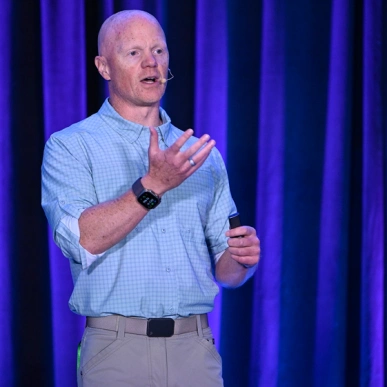
Speakers





Agenda
| Time (MT) | Agenda |
| 8:00 - 9:00 am | Beyond the Diagnosis: Rethinking Chronic Disease at Its Roots Faculty: Micah Olson, MD |
| 9:00 - 10:00 am | Insulin Physiology 101: Understanding a Key Driver of Chronic Disease Insulin is often viewed primarily through the lens of glucose regulation, but its physiologic role extends far beyond blood sugar. As a powerful anabolic and storage hormone, insulin signals energy abundance, influences nutrient storage and utilization, supports growth, and suppresses the breakdown of stored energy and tissue. This session will review the physiology of insulin and establish the foundation for understanding what happens when this essential signaling system becomes chronically elevated or dysregulated. Providers will explore insulin's roles in energy availability, anabolism, storage, and anti-catabolic signaling—creating the physiologic foundation for the discussions of hyperinsulinemia, insulin resistance, obesity, diabetes, and chronic disease that follow. Faculty: Micah Olson, MD |
| 10:00 - 10:30 am | Break |
| 10:30 - 12:30 pm | Nutrient Signaling: How Metabolism Shapes Health and Chronic Disease Food provides more than energy. Nutrients—including glucose, fats, amino acids, and vitamins—act as signals that influence metabolism, insulin response, inflammation, cellular growth and repair, and hormone regulation. This session explores how the body senses and responds to nutrients through key metabolic hormones, including insulin, GIP, GLP-1, amylin, ghrelin, and glucagon, and the signaling pathways that coordinate these responses. Providers will examine how healthy nutrient signaling maintains metabolic balance and what happens when these systems begin to break down, including impaired signaling and receptor resistance in tissues such as the liver. The session will connect disruptions in nutrient signaling to insulin resistance, metabolic dysfunction, and the development and progression of chronic disease. Faculty: Micah Olson, MD |
| 12:30 - 1:30 pm | Lunch |
| 1:30 - 2:30 pm | What is Insulin Resistance and Where Does it Come From? This lecture defines insulin resistance at the level of the cell and the whole body, establishing that the condition cannot exist without hyperinsulinemia and that insulin is elevated for years while glucose remains normal. It then covers the three causes: stress, inflammation, and insulin itself, with evidence from sleep deprivation, air pollution, and carbohydrate overfeeding studies. The lecture closes by distinguishing pathological insulin resistance from the physiological insulin resistance of puberty, pregnancy, and the luteal phase, making the case that insulin resistance often begins as a protective adaptation. Faculty: Ben Bikman, PhD |
| 2:30 - 3:30 pm | How Does Insulin Resistance Contribute to Chronic Disease? This lecture begins with why insulin resistance goes undetected, tracing the historical and practical reasons clinicians measure glucose rather than insulin, and showing that insulin resistance is identifiable decades before glucose rises. It then follows the disorder into specific tissues and diseases: the muscle, liver, and pancreatic alpha and beta cells in type 2 diabetes; cerebral fuel disruption in Alzheimer’s disease; and even how insulin resistance may lead to some not making adequate GLP-1. Faculty: Ben Bikman, PhD |
| 3:30 - 3:45 pm | Break |
| 3:45 - 4:45 pm | What Can We Do to Prevent or Reverse Insulin Resistance? This lecture opens with assessment, comparing dynamic and static measures including the two hour OGTT with insulin, fasting insulin with C peptide, HOMA IR, the triglyceride to HDL ratio, and clinical signs such as acanthosis nigricans and waist to height ratio. It then evaluates pharmacological options against a single standard, whether the therapy lowers insulin, covering insulin therapy, sulfonylureas, metformin, and GLP-1 receptor agonists. The lecture ends with dietary strategy built on controlling carbohydrates, prioritizing protein, and not fearing fat, plus specific targets attendees can act on. Faculty: Ben Bikman, PhD |
| 4:45 - 5:15 pm | Question and Answer |
| 5:15 - 5:30 pm | Book Signing with Ben |
| Time (MT) | Agenda |
| 8:00 - 10:00 am | Obesity and Diabetes: Beyond Calories to Metabolic Health Obesity and type 2 diabetes are complex metabolic diseases that extend far beyond excess calories, body weight, or elevated glucose. This session examines the interconnected metabolic and hormonal processes that contribute to their development, including insulin resistance and hyperinsulinemia, visceral adiposity, inflammation, altered nutrient signaling, loss of metabolic flexibility, and changes in muscle and energy metabolism. Providers will explore how these underlying dysfunctions can precede overt disease and why improving metabolic health requires looking beyond weight and glucose alone. The discussion will connect assessment and treatment strategies to the broader upstream drivers of chronic disease, providing a framework for addressing metabolic dysfunction and improving long-term health. Faculty: Jason Giffi, MD |
| 10:00 - 10:30 am | Break |
| 10:30 - 12:00 pm | How Hormones Impact Obesity and Insulin Resistance Obesity and insulin resistance are influenced by more than caloric intake and physical activity. Hormones play a critical role in regulating glucose metabolism, insulin sensitivity, body composition, fat distribution, energy expenditure, and the balance between anabolic and catabolic states. This session examines how estradiol, testosterone, thyroid hormones, cortisol, and DHEA influence metabolic health and how hormonal decline or dysregulation may contribute to visceral adiposity, loss of lean mass, impaired glucose regulation, and insulin resistance. Participants will learn to recognize hormonal contributors to metabolic dysfunction and consider hormone optimization as part of a more comprehensive approach to improving metabolic health. Faculty: Jason Giffi, MD |
| 12:00 - 1:00 pm | Lunch |
| 1:00 - 2:30 pm | Cardiovascular Disease: Beyond Cholesterol to Root Cause Cardiovascular disease remains the leading cause of death worldwide, yet traditional approaches often focus primarily on cholesterol management rather than the underlying drivers of vascular disease. This session explores the role of insulin resistance, atherosclerosis, apolipoproteins, and inflammation in cardiovascular risk while examining lipids as markers of injury and repair. Participants will review the evidence surrounding statin therapy, hormone optimization for both men and women, and the impact of estradiol, testosterone, thyroid function, and targeted nutritional supplements on cardiovascular health and disease prevention. Faculty: Clifford Gluck, MD, FACS |
| 2:30 - 2:45 pm | Break |
| 2:45 - 4:15 pm | Cardiovascular Disease: Beyond Cholesterol to Root Cause, Continued |
| 4:15 - 4:30 pm | Break |
| 4:30 - 5:00 pm | Interactive Quiz |
| 5:00 - 5:30 pm | Panel Discussion and Q&A |
| Time (MT) | Agenda |
| 8:00 - 9:00 am | Obstructive Sleep Apnea: More Than a Sleep Disorder Obstructive sleep apnea is closely linked to obesity, insulin resistance, and metabolic dysfunction, contributing to increased cardiovascular risk and chronic disease progression. This session examines the physiologic effects of intermittent hypoxia, elevated cortisol, and visceral adiposity while reviewing the potential role of progesterone in women with sleep-disordered breathing. Participants will also learn how to interpret common laboratory findings, including hemoglobin, hematocrit, and oxygen saturation, to better identify and manage patients at risk. Faculty: Scott Davis, MD |
| 9:00 - 9:15 am | Break |
| 9:15 - 11:15 am | Brain Health and Cognitive Aging: A Hormone-Centered Approach Increasing evidence supports the concept that Alzheimer's disease may represent a form of "Type 3 Diabetes," linking insulin resistance, metabolic dysfunction, inflammation, and vascular disease to cognitive decline. This session explores the growing body of literature connecting hormones, brain metabolism, and healthy aging while examining the roles of testosterone, estradiol, progesterone, and other endocrine factors in preserving cognitive function. Participants will also review the evidence surrounding hormone therapy, and practical strategies to support brain health and reduce the risk of dementia and depression. Faculty: Scott Davis, MD |
| 11:15 - 12:30 pm | Bone, Muscle, and Structural Integrity: A Hormone-Centered Approach Bone and muscle health are essential to healthy aging and play a critical role in preventing frailty, fractures, disability, and loss of independence. This session explores osteoporosis and sarcopenia as interconnected metabolic diseases influenced by hormonal decline, inflammation, and the balance between anabolic and catabolic processes. Participants will review the roles of estradiol, testosterone, and DHEA in maintaining skeletal and muscle integrity, examine the effects of common medications on bone health, and evaluate the evidence supporting nutritional supplements, and hormone optimization to preserve strength, mobility, and long-term function. Faculty: Kristi Hales, RPH |
| 12:30 PM | Adjourn |


Location and Travel Details
- Nov 6-8, 2026
- Hyatt Regency
170 South West Temple
Salt Lake City, UT 84101 - Salt Lake City International Airport (SLC)


Pricing
*NOTE: The course material is the same for both provider types.
No prerequisites are needed for this one-time course debut.
Early Bird
This rate applies to licensed medical professionals who prescribe hormone therapy. Applicable credentials include MD, DO, PA, NP, and ND.
Early Bird Rate: $1,595
(up to 3 weeks prior to event)
Standard
This rate applies to licensed medical professionals who prescribe hormone therapy. Applicable credentials include MD, DO, PA, NP, and ND.
Standard Rate: $1,695
Non-Prescribers
Ideal for clinical support staff, students, and Legacy BHRT Series alumni seeking to refresh their knowledge. Applicable credentials include MA, RN, RPh, Resident / Intern, Pharmacist, Office Manager, Dietician, Nutritionist, and Health Coach.
Standard Rate: $1,095
Policies
- Course Content Access
This training is offered both in person and virtually. Educational materials and the syllabus will be available online. A recording of each day’s session will be posted that evening and remain accessible until the second Sunday (2 weeks after the event) following the event, giving you time to review material or catch up on any missed sessions. Recordings will no longer be available after that date. - Group Discounts
If two or more prescribers register as a group under one registration ticket, there will be a 10% discount applied to each registration after the first one. - Refunds, Cancellations, and Course Credit
Up to 3 weeks prior to the course start date the cancellation fee is $100. If a cancellation is requested less than 3 weeks in advance the cancellation fee is $350. If a cancellation is received within two weeks of the event, there are no refunds allowed. To cancel a registration, a credit can be held on file without penalty so long as the cancellation is received more than 2 weeks in advance of the start date. This credit will be applied automatically to your next registration before a credit card is charged.
Frequently Asked Questions
Typically, yes. But for one time only, we are waiving the Course 1 & 2 requirement so more practitioners can learn how hormones impact Chronic Disease. We will not be teaching how to prescribe, monitor or adjust hormones so you will need to return for Course 1 & 2 to learn more.
Courses 1 and 2 focus on the foundations and complexities of hormone optimization. Course 3 broadens that perspective by examining how hormonal health intersects with insulin resistance, visceral adiposity, muscle loss, metabolic dysfunction, and chronic disease.
Course 3 examines obesity and type 2 diabetes, cardiovascular disease, obstructive sleep apnea, Alzheimer’s disease (which may also be known as type 3 diabetes), osteoporosis, and sarcopenia. Rather than treating each condition as an isolated diagnosis, the course explores shared hormonal and metabolic factors that may contribute to disease development and progression.
Worldlink's Optimal Medicine training builds on evidence-based hormone optimization and expands into the broader physiologic, metabolic, nutritional, and lifestyle factors that influence health. Course 3 marks an important step in the prevention of chronic disease by applying a more integrated framework to chronic disease care.
Optimal Medicine shares some principles with functional medicine and integrative medicine, including individualized care and consideration of interconnected physiologic and lifestyle factors. Worldlink's framework begins with evidence-based hormone optimization and builds outward to address metabolic health, nutrition, prevention, and other factors that influence long-term health.
Course 3 addresses several factors associated with healthy aging, including metabolic health, preventing dementia, cardiovascular health, bone health, muscle preservation, and hormone optimization. However, Worldlink's Optimal Medicine framework is broader than traditional anti aging medicine training, emphasizing evidence-based, individualized approaches to long-term health and chronic disease.
Hormones influence glucose metabolism, insulin sensitivity, body composition, fat distribution, muscle and bone health, energy expenditure, and other physiologic processes. Course 3 explores these relationships so providers can understand where hormone optimization may fit within a broader approach to metabolic and chronic disease care.
Providers researching how to add hormone therapy to a medical practice should begin with Courses 1 and 2, which establish Worldlink's foundational BHRT curriculum. Course 3 builds on that training by showing how hormone health connects with broader metabolic and chronic disease considerations.