

Navigating Hormone Complexities
April 9-11, 2027 • Salt Lake City, UT at The Grand America Hotel or Virtual
Complex Hormone Disease States
This intensive multi-day workshop offers a deep dive into some of the most overlooked yet critical topics in endocrine and metabolic health. It’s all the complexities we see when trying to optimize health.
REGISTRATION COMING SOON
Details
Course Description
This comprehensive continuing medical education program provides an evidence-based, systems-oriented exploration of endocrine health across the lifespan, with a primary focus on bioidentical hormone optimization, metabolic regulation, and root-cause management of complex clinical conditions. Participants will examine common yet frequently underrecognized endocrine disorders such as polyendocrine metabolic ovarian syndrome (PMOS) (formerly known as PCOS (Polycystic Ovary Syndrome)), fertility dysfunction in men and women, and sexual dysfunction, while also addressing the clinical impact of endocrine-disrupting chemicals, insulin resistance, and chronic inflammation. Emphasis is placed on understanding hormonal physiology, diagnostic strategies, and therapeutic interventions that extend beyond symptom management to address underlying metabolic and endocrine drivers of disease.
The course also critically evaluates the evolving relationship between hormones and cancer, challenging traditional paradigms. Through a review of contemporary literature, clinical case discussions, and expert panels, learners will gain practical guidance on the safe and individualized use of hormone therapies in the contexts of breast, prostate, ovarian, endometrial, and colon cancers, as well as menopause-related genitourinary conditions. By integrating lifestyle, metabolic, and hormonal perspectives, this activity equips clinicians with actionable strategies to optimize endocrine function, improve patient outcomes, and confidently apply modern hormone-based therapies in clinical practice.
At the conclusion of this activity, participants should be able to:
- Describe the diagnostic criteria, pathophysiology, and systemic metabolic implications of polyendocrine metabolic ovarian syndrome (PMOS) (formerly known as PCOS (Polycystic Ovary Syndrome)), including its associations with insulin resistance, cardiovascular disease, NAFLD, and cancer risk.
- Differentiate PMOS from other endocrine disorders such as congenital adrenal hyperplasia using clinical features, laboratory evaluation, and hormone-binding markers including SHBG.
- Evaluate current evidence for pharmacologic and lifestyle-based management strategies in PMOS, including metformin, GLP-1 agonists, progesterone, thyroid optimization, and anti-androgen therapies.
- Identify common sources of endocrine-disrupting chemicals (EDCs) and explain their mechanisms of action and clinical relevance in hormonal dysregulation and reproductive health.
- Assess fertility disorders in men and women through a comprehensive endocrine and metabolic framework, emphasizing root-cause evaluation rather than symptom-based treatment.
- Apply evidence-based hormonal and non-hormonal therapies for fertility optimization, including the appropriate use of progesterone, thyroid hormone, clomiphene, letrozole, HCG, gonadorelin, and enclomiphene.
- Explain the evolving metabolic and hormonal models of cancer development and critically appraise myths and controversies surrounding hormones and cancer risk.
- Recognize and manage genitourinary syndrome of menopause (GSM), vaginal atrophy, and abnormal uterine bleeding using individualized, evidence-based hormonal and non-hormonal treatment options.
- Develop a systems-based diagnostic and treatment approach to hair loss in men and women, incorporating hormonal, metabolic, autoimmune, lifestyle, and environmental factors.
Speakers

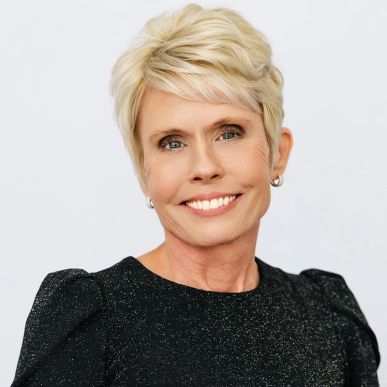

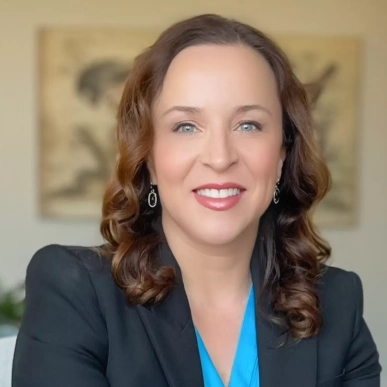
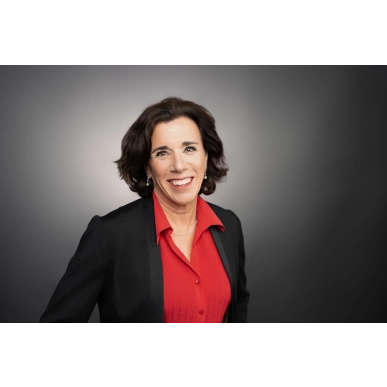
Agenda
| Day 1 | |
| 8:00 - 10:30 am MT | Polyendocrine Metabolic Ovarian Syndrome (PMOS): The Most Overlooked Endocrine Disorder - What is PMOS and why it matters. It is the most common endocrine disorder in women. Assume all women have it until proven otherwise. PMOS extends far beyond reproductive implications—it is associated with metabolic disturbances, including insulin resistance, dyslipidemia, and increased risks for coronary artery disease, diabetes, and certain cancers of the breast, uterus, and ovaries. Distinguishing PMOS from adrenal hyperplasia is essential for accurate diagnosis and management. Emerging evidence highlights the roles of sex hormone-binding globulin (SHBG), GLP-1 agonists, and the interplay between PMOS and nonalcoholic fatty liver disease (NAFLD). While conventional treatments such as metformin, thyroid optimization, progesterone, and spironolactone offer partial benefit, questions remain regarding their long-term efficacy and impact on weight management. This presentation will explore current literature, therapeutic strategies, and clinical insights through a focused case review to deepen understanding of PMOS and its systemic consequences. Kristi Hales, RPh |
| 10:30 - 11:00 am MT | Break |
| 11:00 am - 12:00 pm MT | Introduction to Cancer and Hormones - This section looks to reframe cancer not simply as a genetic disease of random mutations, but as a complex, metabolic disorder driven by disruptions in the cellular environment and regulatory systems. The emphasis is that cancer is a disease of dysregulated growth, rooted in dysfunctional cellular communication and influenced heavily by chronic insulin elevation, inflammation, and hormonal imbalances—particularly hyperinsulinemia and insulin resistance. Rather than focusing solely on DNA mutations, Dr. Jason Fung in his book The Cancer Code, proposes that cancer results from a breakdown in the body's natural checks on growth and repair, largely triggered by lifestyle factors such as poor diet, obesity, and chronic stress. He also critiques the limitations of the traditional mutation-centric model and advocates for a paradigm that integrates evolutionary biology and metabolic regulation to better understand—and prevent—cancer through systemic and lifestyle-based interventions.
Gayle Frazzetta MD |
| 12:00 - 1:00 pm MT | Lunch |
| 1:00 - 2:00 pm MT | Ovarian Cancer, Endometrial Cancer, Colon Cancer -
Gayle Frazzetta, MD |
| 2:00 - 3:30 pm MT | Vaginal Atrophy and Dysfunctional Bleeding - During menopause, women lose estrogen which causes a myriad of side effects other than hot flashes and nightsweats. During this change women experience genitourinary symptoms that can be embarrassing and debilitating such as vaginal dryness, loss of libido, stress or urgency incontinence, and recurrent urinary tract infections. These symptoms can be chronic and progressive and need intervention to improve. Even though it’s estimated that about half of women experience these symptoms, only a small percentage discuss these challenges with their providers. Abnormal and dysfunctional uterine bleeding can occur to a woman during any stage of life. It is important for any practitioner who treats women to be able to understand what these terms mean and how to treat these patients. This lecture will review the pathophysiology, clinical presentation, and evaluate literature for management strategies of vaginal atrophy, abnormal and dysfunctional uterine bleeding.
|
| 3:30 - 3:45 PM MT | Break |
| 3:45 - 5:15 pm MT | Hormones and Breast Cancer - The controversy surrounding breast cancer and hormones, particularly hormone replacement therapy (HRT), stems from conflicting data on whether exogenous hormones—especially synthetic estrogens and progestins—increase breast cancer risk. The Women's Health Initiative (WHI) study in the early 2000s linked certain forms of HRT to a modest rise in breast cancer incidence, prompting widespread fear and decline in hormone use. However, subsequent analyses have revealed that the risks vary significantly based on hormone type, route of administration, timing of initiation, and individual patient factors. Emerging evidence suggests that bioidentical hormones, particularly estradiol and micronized progesterone, may carry a more favorable safety profile. The ongoing debate highlights the need for further education on the latest evidence and underscores distinctions between synthetic and bioidentical hormone therapies in evaluating breast cancer risk.
Gayle Frazzetta MD |
| 5:15 - 5:45 PM MT | Speaker Panel | Q&A |
| 5:45 pm MT | Adjourn |
| 8:00 - 10:00 am MT | Hormones and Prostate Cancer - This course presents an evidence-based examination of the safe and thoughtful use of testosterone replacement therapy (TRT) in men with a history of prostate cancer, designed for clinicians across all specialties. Participants will review foundational prostate cancer biology, including androgen receptor signaling, estrogen signaling, and the role of estrogen receptor beta (ERβ) as a tumor-suppressive pathway. The course explains why physiologic estradiol does not promote prostate cancer proliferation and places testosterone therapy within a modern, mechanistic framework. Emphasis is placed on translating molecular concepts into clinical practice, including patient selection, risk stratification, and monitoring strategies, while avoiding outdated assumptions that may lead to unnecessary hormone suppression or suboptimal care. Clifford Gluck, MD |
| 10:00 -10:15 am MT | Break |
| 10:15 - 11:30 am MT | What are EDC’s: How they Affect Hormones and What to do About Them - The endocrine system is an intricate network of glands and hormones that orchestrate numerous physiological processes, including metabolism, growth, reproduction, and homeostasis. Optimal health depends on the maintenance of hormonal balance within this system. Endocrine Disrupting Chemicals (EDCs) are exogenous substances that interfere with the synthesis, secretion, transport, binding, action, or elimination of natural hormones, thereby altering endocrine function and potentially leading to adverse health outcomes. These compounds are pervasive in modern environments, commonly found in plastics, personal care products, pesticides, and industrial pollutants. Understanding the mechanisms and health implications of EDC exposure is essential for clinicians and researchers committed to safeguarding endocrine health.
Kristi Hales, RPh |
| 11:30 am - 12:45 pm MT | Fertility Issues in Women - Female fertility is influenced by hormonal, ovarian, metabolic, structural, environmental, and lifestyle factors. This session will examine common contributors to impaired fertility, including ovulatory dysfunction, PMOS, hypothalamic amenorrhea, diminished ovarian reserve, endometriosis, thyroid dysfunction, insulin resistance, and exposure to endocrine-disrupting chemicals (EDCs). Participants will explore an evidence-based approach to evaluation and treatment, including strategies to address underlying contributors and support reproductive function. Clinical considerations for progesterone, thyroid optimization, hCG, clomiphene, letrozole, and other appropriate interventions will be discussed. Connie Casad, MD |
| 12:45- 1:45 pm MT | Lunch |
| 1:45 - 3:30pm MT | Fertility Issues in Men - Male fertility can be affected by hormonal, testicular, metabolic, environmental, and lifestyle factors that impair testosterone production and spermatogenesis. This session will examine common causes of male infertility, including hypogonadism, impaired sperm production, obesity, insulin resistance, medication effects, and exposure to endocrine-disrupting chemicals (EDCs). Participants will explore evidence-based approaches to evaluation and treatment, with particular attention to preserving or restoring fertility while addressing hormonal dysfunction. Clinical considerations for hCG, clomiphene, enclomiphene, gonadorelin, and other fertility-supportive interventions will be discussed. Clifford Gluck, MD |
| 3:30 - 3:45 pm MT | Break |
| 3:45 - 5:15 pm MT | Hair Loss - Hair loss, or alopecia, in clinical practice requires a nuanced, multifactorial evaluation that encompasses nutritional, autoimmune, and genetic factors. This discussion will cover common types of hair loss, including telogen effluvium resulting from systemic stressors and alopecia areata, an autoimmune condition characterized by patchy hair loss that may coexist with other autoimmune diseases and more. Current scientific evidence and clinical literature will also be reviewed, highlighting less commonly discussed treatment approaches alongside real-world case examples..
Carrie Blades, MD |
| 5:15 - 5:45 pm MT | Panel Discussion | Q&A |
| 5:45 - 6:45 pm MT | Network with Colleagues: Reception and Open Bar |
| 6:45 pm MT | Adjourn |
| 8:00 - 9:00 am MT | Sexual Dysfunction in Men and Women - This course presents an evidence-based, systems-oriented approach to the evaluation and management of male and female sexual dysfunction. Key physiologic domains—including hormonal regulation, vascular integrity, neurologic pathways, and central contributors—are reviewed. Participants will learn practical diagnostic strategies and individualized treatment approaches, with emphasis on safe hormonal optimization, conventional therapies, and emerging modalities relevant to contemporary clinical practice. Clifford Gluck, MD |
| 9:00 - 9:15 am MT | Break |
| 9:15 - 10:45 am MT | Sexual Dysfunction in Men and Women Continued |
| 10:45 - 11:00 am MT | Break |
| 11:00 am - 12:00 pm MT | Case Study Review with Kristi Hales, RPh |
| 12:00 pm MT | Adjourn |


Location and Travel Details
- Apr 9-11, 2027
-
Salt Lake City International Airport
(SLC)


Pricing
| Early Bird (up to 3 weeks prior to event) |
Standard (within 3 weeks of event) |
|
| Prescribers This rate applies to licensed medical professionals who prescribe hormone therapy. Applicable credentials include MD, DO, PA, NP, and ND. |
$1,595 | $1,695 |
| Non-Prescribers Ideal for clinical support staff, students, and Legacy BHRT Series alumni seeking to refresh their knowledge. Applicable credentials include MA, RN, RPh, Resident / Intern, Pharmacist, Office Manager, Dietician, Nutritionist, and Health Coach. |
N/A | $1,095 |
NOTE: The course material is the same for both provider types.
Policies
Course Content Access
This training is offered both in person and virtually. Educational materials and the syllabus will be available online. A recording of each day’s session will be posted that evening and remain accessible until the second Sunday (2 weeks after the event) following the event, giving you time to review material or catch up on any missed sessions. Recordings will no longer be available after that date.
Group Discounts
If two or more prescribers register as a group under one registration ticket, there will be a 10% discount applied to each registration after the first one.
Refunds, Cancellations, and Course Credit
Up to 3 weeks prior to the course start date the cancellation fee is $100. If a cancellation is requested less than 3 weeks in advance the cancellation fee is $350. If a cancellation is received within two weeks of the event, there are no refunds allowed.
To cancel a registration, a credit can be held on file without penalty so long as the cancellation is received more than 2 weeks in advance of the start date. This credit will be applied automatically to your next registration before a credit card is charged.
FAQ
No, we are not offering a graduate rate, as this course will include additional topics such as hair loss, EDC's, and sexual dysfunction, along with all updated studies.